
Stories Stories / Blog
Improving the Odds
A new documentary makes the case for more diversity on the stem cell registry
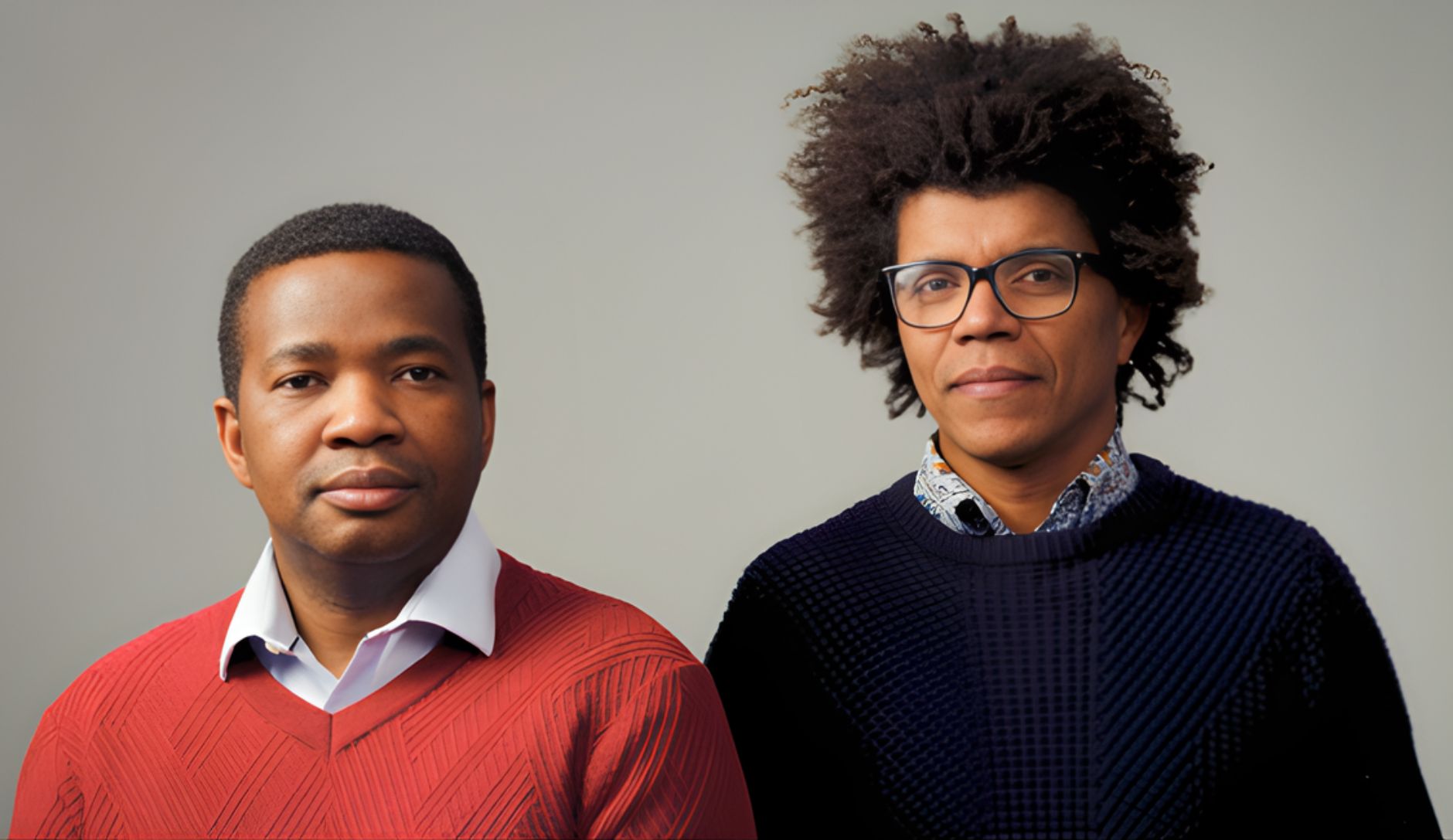
Sandro Silva remembers the yellow envelope. It arrived at his home in late 2022, a few weeks after he received a phone call asking him to donate stem cells to a two-year-old boy named Ezra Marfo, who was suffering from an aggressive form of acute myeloid leukemia. Silva, a filmmaker and a new father himself, couldn’t donate because he was over the age of 35, the limit for donors in Canada. The letter brought tragic news; it announced that Ezra was gone. It also included a phone number for Ezra’s father, Jacob.
“I just burst into tears,” Silva recalls. “I was looking at my own boy, and I felt so sad. I knew I had to do something.”
That something eventually became The Perfect Match, a documentary produced by Dona Ana Films, which he co-founded with his partner, Sheena Rossiter. Slated for release this spring, it was created with the intention of being the visual engine for the Ezra Marfo Cancer Foundation (EMCF), an Edmonton-born organization that is quite literally trying to rewrite the genetic odds for Black Canadians battling leukemia and other blood disease disorders including sickle cell disease.

To understand why Ezra spent 475 days in the hospital before losing his battle, you must understand the math of survival. Stem cell matches rely heavily on genetic ancestry. Donors and patients need to share specific human leukocyte antigens (HLA) for a transplant to work, so patients are likely to share the same ethnic background as their potential donors. Patients requiring a stem cell transplant are far more likely to find a compatible donor amongst people from their own ethnic background. However, only 2% of registered donors currently come from African, Caribbean, and Black communities, making it more difficult for Black patients to find a match.
“I am a Black person from West Africa,” explains Jacob Marfo, Ezra’s father and founder of the EMCF. “I will never be a match for a Caucasian person. If we don’t have diversity on the registry, people are left waiting for matches that don’t exist.”
When Ezra was diagnosed with leukemia, Jacob criss-crossed Canada, from Calgary to Ottawa, desperately searching for a “10 out of 10” match. It never came. Jacob eventually donated his own stem cells — a “7 out of 10” match — but without a perfect genetic twin, the graft-versus-host complications were too much for Ezra’s small body.
A heavy story, but Silva wasn’t a stranger to those. They had already established a creative connection with the Edmonton Community Foundation (ECF) as editors for 2024’s Pride vs. Prejudice: The Delwin Vriend Story, a documentary that explores the landmark case of a gay Alberta instructor whose firing led the Supreme Court to affirm sexual orientation as a protected ground in the Canadian Charter of Rights and Freedoms. But The Perfect Match was different.
Before moving to Canada, he practiced law in Brazil. Silva’s legal background helped him navigate the bureaucratic labyrinth of Health Canada and Canadian Blood Services, but the filmmaking required something deeper: empathy. “Documentaries are about trust,” Silva says. “I told Jacob, ‘I don’t have resources, but I have a passion. Let’s do this together.’”
The film doesn’t shy away from the pain. It captures the time Ezra spent at the Stollery Children’s Hospital and the Alberta Children’s Hospital in Calgary, highlighting moments where he was administered adult-strength chemo and required five intravenous lines. But it also emphasizes his resilience, showing how even though he was in extreme pain he would still run around his crib — after he had to relearn how to walk — laughing and singing his favourite song, “Jesus Loves Me.”
While the film tells the story of what was lost, the EMCF is focused on what can be saved. This is where ECF’s support has been transformative.
“A diverse stem cell registry saves lives, and reaching underrepresented donors requires trust and real community connection,” says Christelle Agahozo, Student Awards Associate at ECF. “As a mother of a Black child, I’m deeply grateful for the EMCF’s work to expand access and equity, giving more children a real chance at healing and hope.”
This story comes from the Spring 2026 edition of Thrive Magazine.
Read the full issue
